Other
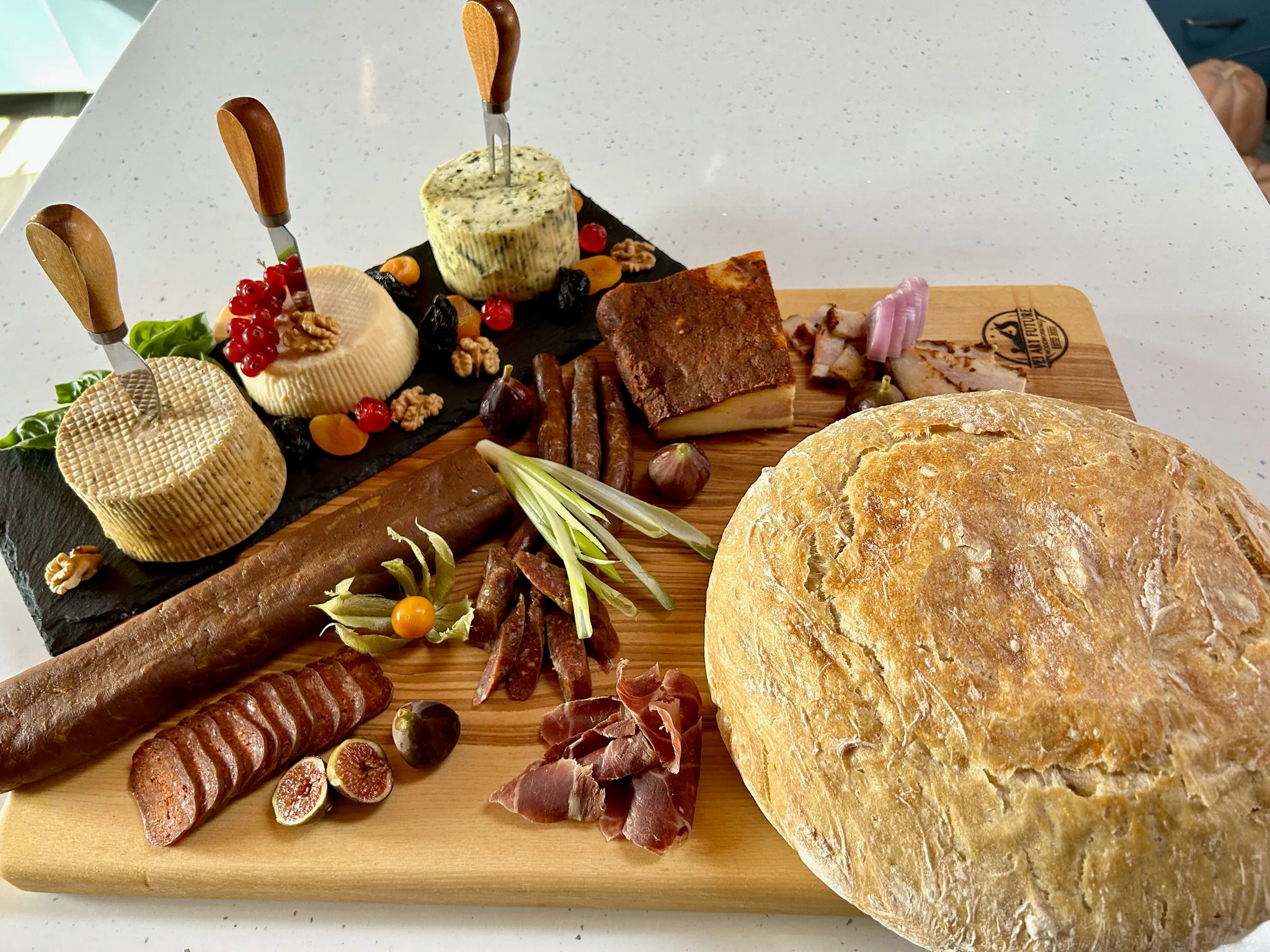
Top 5 Most Iconic Buzău Food Products
Buzău County sits at the meeting point of the Carpathian foothills and the Bărăgan plain, on a parallel that places it in viticultural company with Bordeaux and Tuscany. Its food culture has been shaped by three forces: the transhumant sheep economy of the Penteleu mountains, the trading-town legacy of merchants and refugees who settled the plain in the 18th and 19th centuries, and the geological oddities — salt mountains, muddy volcanoes, limestone slopes — that quite literally flavour what grows here.
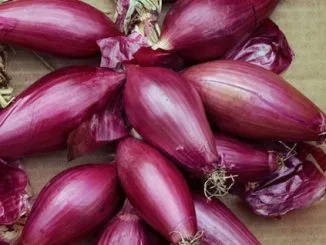
Buzau Onion
Product description:
A local onion variety with large bulbs, an attractive coloured rind, sweet-spicy flavour and slightly crunchy texture. The onion is aromatic, juicy and less pungent than other varieties — it works equally well raw or cooked. Bulbs commonly exceed 120 g, and the variety has excellent winter storage capacity. It is sold in markets and along roadsides, often braided into long bundles for keeping.
History:
The Buzău onion took its current form around 200 years ago, when commercial exchanges between Muntenia and Bulgarian merchants — who came to buy salt — intensified. Romanian growers likely imported onion seeds during that period; the Buzău biotype that developed was originally known by the popular name “Bot de Vulpe” (Fox's Snout). Local gardeners cultivated their traditional white onions and let them cross freely with red onions brought from Transylvania; generations of selection produced today's distinctive red form. The variety is now formally maintained and improved by the Vegetable Research and Development Station (SCDL) in Buzău, an institute that holds an inventory of more than 20,000 plant genotypes, including vegetables, herbs and medicinal plants.
Meaning for Buzău's food identity:
The red onion is the symbolic vegetable of the Bărăgan-plain side of Buzău — the counterpart to the meat products of the hills. It carries Buzău's identity as Romania's leading vegetable-research region. The braided onion strings sold along roadsides are an instantly recognisable Buzău image, on the same iconic level as the Pleșcoi sausage.
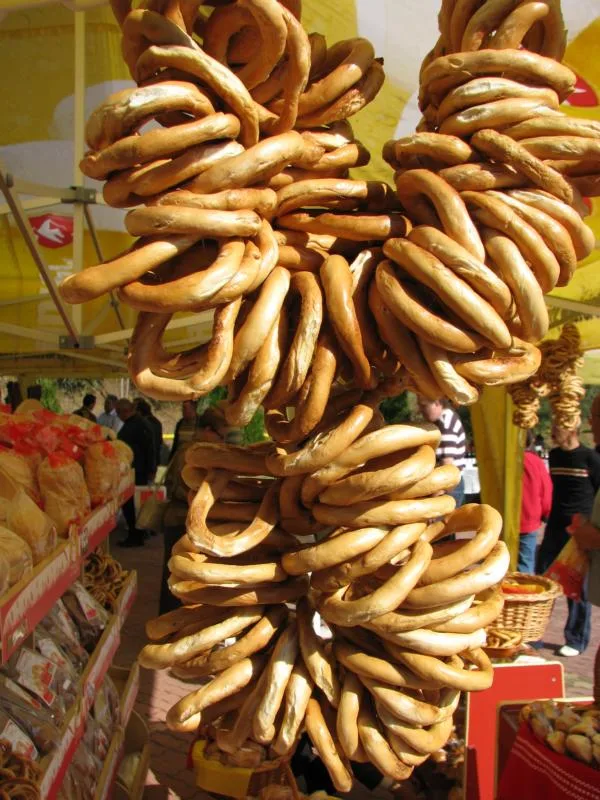
Buzau Pretzel
Product description:
Ring-shaped baked goods with a crisp golden crust, fine porous crumb, and a strong aroma of white wheat flour. The dough is simple but accomplished — flour, water, yeast, salt and vegetable oil, gently kneaded to a soft but elastic consistency. Toppings (salt, sesame, poppy seeds) are applied immediately after the shaped dough rings are boiled in water for about one minute; the brief boiling gelatinises the starch on the exterior, producing the glossy sticky surface that holds the toppings during baking. Covrigi de Buzău are certified in Romania's National Register of Traditional Products.
History:
The history of Buzău pretzels begins sometime after 1800, when Greeks opened taverns in the Buzău Fair. A ring-shaped pastry with a crisp golden crust, fine crumb and a strong flavour of white wheat flour began to be served at the table. Originally called “kovrig”, it was cheap, easy to prepare and well suited to pairing with drinks at the bar. The prominent legend credits these Greek merchants with introducing covrigi to Buzău around 1800, purportedly to pair the salty snack with their wines and boost consumption along the Wallachian trade routes.
Meaning for Buzău's food identity:
The covrig is Buzău's everyday icon — the city's street-food signature, sold at the train station opposite the platforms, hung in long edible necklaces. Even Romanians outside the county tend to associate “covrig” with Buzău by default. The pretzel anchors the county to its 19th-century trading-town identity, when Greek merchants and Wallachian fairs shaped the local economy.
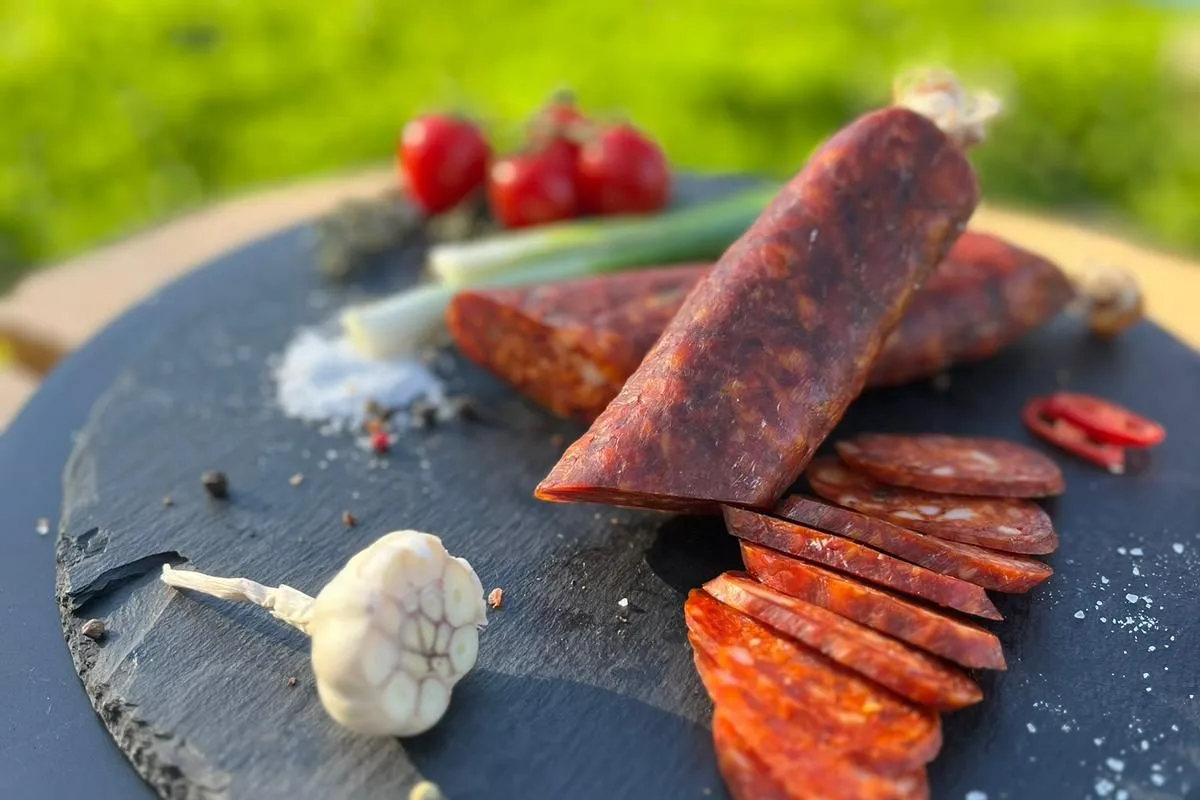
Babic
Product description:
A traditional raw-dried salami from Buzău County. There ate several recipes for Babic. Today, it is typically made from a mixture of pork and beef, seasoned with salt, sweet paprika, and hot paprika, then stuffed into thin beef casings, pressed, smoked, and dried during the cold winter months. The original recipe was made only with pork. Its distinctive flat shape comes from a pressing process with a rolling pin during drying. Spiciness ranges from mild to intense depending on the paprika ratios.
History:
Babic is the historical sibling of Buzău. The Bulgarian and Serbian refugees who settled in the Buzău area at the end of the 18th century, in the aftermath of the Russo-Turkish wars, adapted the local recipe — but with pork instead of mutton, probably to spite the Ottomans, and with the addition of dried, finely cut chilli pepper. The result became what is today known as the Buzău babic, or the Buzău Serbian babic. The product emerged out of household economy: every farm kept a pig or two and a cow, and babic was a way to preserve and stretch winter meat supplies.
Meaning for Buzău's food identity:
Babic is the county's “cultural fusion” product — a literal edible record of migration, Ottoman geopolitics, and the Serbian-Bulgarian diaspora of the Buzău plain. Internationally, it has been ranked among the world's best salamis on TasteAtlas (around #36 best-rated meat product), giving it gastronomic credibility well beyond the region.